


Please Leave Us A Message
Privacy statement: Your privacy is very important to Us. Our company promises not to disclose your personal information to any external company with out your explicit permission.



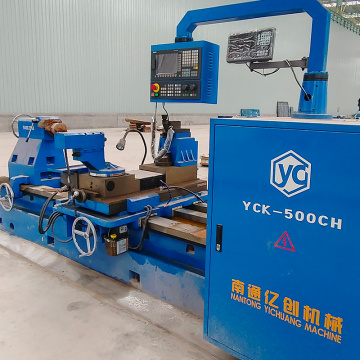

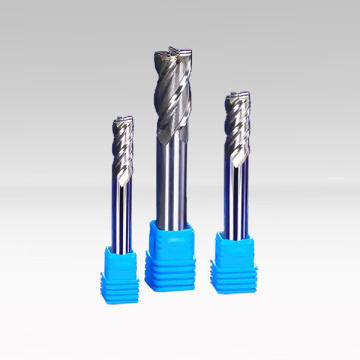


A roll mill machine is a specialized industrial tool designed for the precision machining of metal rolls used in steel mills, paper manufacturing, and plastic processing industries. These machines perform critical operations such as milling crescent grooves, grinding cylindrical surfaces, and cutting threads on various types of industrial rolls.
The primary function of a roll mill machine is to restore or create the specific surface profiles required for high-quality material processing. Whether it's a work roll, backup roll, or guide roll, these machines ensure that the roll geometry meets exacting tolerances necessary for consistent production output.
Nantong Yichuang Machinery Equipment Manufacturing Co., Ltd. specializes in CNC-based roll processing equipment, offering solutions that combine traditional machining expertise with modern computer numerical control technology. Their product line includes CNC roll lathes, crescent groove milling machines, and roller ring grinders, all engineered to meet international standards for precision and reliability.
Our roll mill machines utilize advanced CNC systems to achieve micron-level accuracy in roll machining. This precision ensures consistent product quality across your entire production run, reducing waste and rework costs.
With years of experience in the roll processing industry, Yichuang machines are built for continuous operation in demanding environments. Our equipment maintains stable performance over extended periods, minimizing downtime.
We offer personalized configuration options to match your specific roll types and production requirements. From roll diameter ranges to groove specifications, our machines adapt to your unique needs.
Our team of experienced technicians provides comprehensive training and ongoing support. Regular technology exchange sessions ensure our customers stay current with the latest machining techniques and best practices.
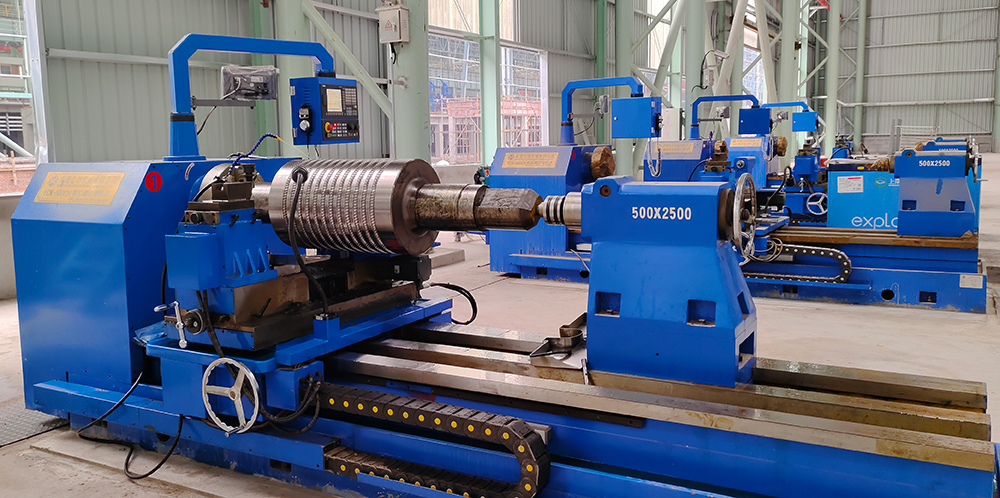
At Yichuang's manufacturing facility in Nantong, each roll mill machine undergoes rigorous quality control processes. From raw material selection to final assembly, we maintain strict standards to ensure every component meets our exacting specifications.
Key Quality Features:
Our commitment to quality extends beyond the factory floor. We provide comprehensive documentation, including detailed maintenance schedules and troubleshooting guides, to help you maximize equipment lifespan and performance.
Selecting the appropriate roll mill machine requires careful consideration of several factors related to your specific production needs. The type of rolls you process, their dimensions, and the precision requirements will significantly influence your choice.
Key Selection Criteria:

Modern roll mill machines incorporate advanced features that enhance productivity and reduce operational complexity. When evaluating options, consider the following technological aspects:
Many buyers encounter issues when suppliers fail to provide adequate technical support during installation and commissioning. This can lead to extended downtime and improper machine operation.
Solution: Choose suppliers like Yichuang who provide comprehensive on-site installation services and thorough operator training programs.
Purchasing machines without verifying compatibility with existing roll inventory often results in costly modifications or inability to process certain roll types.
Solution: Conduct detailed specification reviews with your technical team before making purchasing decisions.
Delayed response times for maintenance requests and spare parts shortages can significantly impact production schedules and profitability.
Solution: Evaluate supplier service networks and establish clear service level agreements before procurement.
Incomplete operation manuals and maintenance guidelines create challenges for long-term equipment management and staff training.
Solution: Require comprehensive documentation packages including detailed technical manuals and video tutorials.
Specialization: CNC roll lathes, crescent groove milling machines, roller ring grinders
Advantages: Leading position in roll processing equipment with strong R&D capabilities and international market presence.
Best For: Medium to large enterprises requiring high-precision roll machining solutions.
Location Benefits: Proximity to major industrial centers in China facilitates easier communication and faster response times.
Cost Efficiency: Competitive pricing structures while maintaining quality standards comparable to international brands.
Best For: Buyers seeking balanced value propositions with reliable local support.
Global Experience: Extensive installation bases worldwide provide proven track records and established service networks.
Technology Leadership: Often pioneer new innovations in roll machining technology and automation features.
Best For: Large-scale operations prioritizing brand recognition and global standardization.
Roll mill machines are essential for maintaining work rolls and backup rolls in steel rolling mills. They ensure precise groove profiles for various steel products including hot rolled coils, cold rolled sheets, and special section steels.
Paper mills rely on precisely machined press rolls and dryer rolls for efficient water removal and sheet formation. Roll mill machines restore these critical components to exact specifications, ensuring consistent paper quality.
Extrusion and calendering processes require precisely textured rolls for film and sheet production. Roll mill machines apply and restore these textures with micron-level accuracy, crucial for final product appearance and properties.
Aluminum production facilities depend on high-precision work rolls for foil, sheet, and plate manufacturing. Regular maintenance using roll mill machines ensures optimal surface finish and dimensional accuracy.
Copper, brass, and other non-ferrous metal rolling operations require specialized roll maintenance. Roll mill machines handle the unique material characteristics of these metals, preventing surface contamination and ensuring clean roll surfaces.
Metal recycling plants use roll mills to process scrap materials into uniform shapes. Maintaining these rolls through professional machining services extends equipment life and improves processing efficiency.
With proper maintenance and regular servicing, a well-built CNC roll mill machine can last 15-20 years or more. Key factors affecting lifespan include operating conditions, maintenance frequency, and the quality of replacement parts used. Yichuang machines are designed for durability with robust construction and premium components.
CNC systems eliminate human error by automating complex machining operations with computer-controlled precision. They enable consistent repeatability across multiple rolls, automatically adjust for tool wear, and can execute intricate cutting patterns that would be difficult or impossible manually. This translates to higher quality rolls and reduced scrap rates.
Regular maintenance typically includes daily cleaning and inspection, weekly lubrication checks, monthly calibration verification, and annual comprehensive service. Following the manufacturer's recommended schedule ensures optimal performance and prevents unexpected breakdowns. Yichuang provides detailed maintenance manuals and offers scheduled service visits.
Most modern CNC roll mill machines can process various roll types within their specified capacity range. Quick-change tooling systems and programmable settings allow operators to switch between different roll specifications efficiently. However, extreme variations in size or material may require additional setup time or specialized tooling.
Comprehensive training programs typically cover machine operation, programming basics, safety procedures, routine maintenance, and troubleshooting. Yichuang offers on-site training at your facility, hands-on practice sessions, and ongoing technical support. Our training ensures your operators can maximize machine capabilities and maintain high productivity levels.
ROI calculation considers factors like reduced outsourcing costs, decreased downtime, improved roll quality, and extended roll life. Typically, businesses see positive ROI within 1-3 years depending on usage frequency and previous maintenance expenses. Detailed financial analysis should include both direct cost savings and indirect benefits like improved production efficiency.
Privacy statement: Your privacy is very important to Us. Our company promises not to disclose your personal information to any external company with out your explicit permission.
Fill in more information so that we can get in touch with you faster
Privacy statement: Your privacy is very important to Us. Our company promises not to disclose your personal information to any external company with out your explicit permission.